Samburu’s dry riverbeds and red earth define much of northern Kenya’s landscape. Hide photography changes how you see that terrain. Samburu safari photography hides put you at ground level beside water, without a vehicle in the frame, and let you wait for behavior instead of chasing it. This guide compares the main hides, explains what each setting favors, and helps you decide when a hide is worth your camera time.
What are Samburu safari photography hides?
A Samburu safari photography hide is a concealed, ground-level structure beside a water source where photographers can work without a vehicle in the frame. The low viewpoint creates more intimate eye-level images of elephants, birds, and northern Kenyan species. Fixed shelter allows careful composition, longer sessions, and, at some hides, photography after dark.
In northern Kenya, this approach works because water is seasonal. When rivers shrink, a reliable waterhole pulls animals in from a wide area, and a few quiet hours in a hide can produce images a fast game drive never gives you.
Where are the best Samburu safari photography hides?
The main Samburu-area options are Saruni Samburu’s hide in Kalama Conservancy, Sarara’s hide in Namunyak Conservancy, and the dedicated hide associated with Larsen’s Camp. Saruni is known for a waterhole, elephant access, and day or night sessions. Sarara offers a smaller setting and mountain scenery. Larsen’s emphasizes eye-level instruction and controlled shooting.
Each hide sits inside a different conservancy or camp system, which changes the wildlife you can expect and how sessions are arranged. Use the table below as a starting point.
| Hide | Setting | Group size | What it favors |
|---|---|---|---|
| Saruni Samburu | Kalama Conservancy waterhole | Small group, confirm with camp | Elephant portraits, waterhole action, day or night sessions |
| Sarara | Namunyak Conservancy water source | Small, intimate setting | Quiet sessions, Matthew Range scenery, cultural context |
| Larsen’s Camp | Samburu ecosystem water source | Ask when booking | First-time hide users, instruction, patient composition |
Before you choose, ask how active the waterhole has been in recent weeks. A hide that was busy in July can sit quiet after rain, and camp managers usually have honest, current information.
What is Saruni Samburu’s hide in Kalama Conservancy like?
Saruni Samburu’s hide is built into the red earth beside the lodge waterhole in Kalama Conservancy. It suits both amateur and professional photographers, with beanbags and reference material on hand, and can be used during the day or after sunset. Likely subjects include elephants and Samburu’s northern specialist species.
The hide sits below the level of the surrounding ground, giving you a direct sightline toward the water when elephants arrive. You can make a full-body image against the sky or a tighter shot of a trunk, an eye, or a dust-covered flank.
Kalama connects to a wider conservancy landscape, and elephants move through on established routes, especially in the dry season. The red soil also picks up warm color in low sun, so late afternoon sessions have a distinctive tone.
If your itinerary stretches south from Samburu into Laikipia, Laikipia’s best wildlife camps can add another conservancy layer. Just be realistic about driving time.
Why is Sarara’s hide in Namunyak Conservancy different?
Sarara’s hide sits close to a water source at Sarara Tented Camp in Namunyak Conservancy, with a smaller footprint than Saruni’s. Its concealed design supports low-level images of elephants and other wildlife, while the surrounding Matthew Range adds landscape context. The nearby Singing Wells also create a distinctive cultural and conservation setting that ordinary hide comparisons often omit.
Namunyak is a community conservancy, and tourism income supports rangers, schools, and wildlife protection. The hide has a smaller, more intimate feel than Saruni’s, and it is often less crowded.
The open landscape behind the water source makes environmental portraits possible. You can show an elephant with dry hills behind it, not just a tight animal portrait, and the Matthew Range gives the scene a sense of place.
Sarara is also known for its relationship with Samburu herders. The Singing Wells are part of local culture, and a visit can sit alongside a hide session. If your goal is a mix of wildlife photography and cultural context, Sarara deserves strong consideration.
What can Larsen’s Camp photography hide offer?
The Larsen’s Camp hide is a ground-level, pre-booked photography facility near a water source. It offers eye-level views and the possibility of daytime or after-dark wildlife activity. Its strongest use is deliberate shooting, where photographers can anticipate behavior, refine composition, and work from a stable position instead of reacting to a moving safari vehicle.
Larsen’s Camp has a long history with photographers, and its hide suits people who are new to this style of shooting. Staff are used to helping guests position a lens, set a shutter speed, and read approaching animals. It also works well for photographers who do not want to carry a large tripod, since the hide structure itself provides support.
Book ahead. Hide sessions are rarely an extra that can be arranged at the last minute. Ask whether daytime and night options are available on your exact dates.
Which wildlife can you photograph from Samburu hides?
Samburu hides are especially valuable for elephants, reticulated giraffes, Grevy’s zebras, gerenuks, Beisa oryx, Somali ostriches, birds, and smaller waterhole visitors. The hide does not guarantee sightings, but a shrinking water supply can concentrate animals in the dry season. The low angle is particularly effective for trunks, dust, drinking behavior, and eye contact.
An elephant family is the classic sequence. Watch for the matriarch to approach, test the air, and then drink. Once the family accepts the water, they may stay, dust themselves, and interact, and at eye level those moments feel more like a portrait session than a record shot.
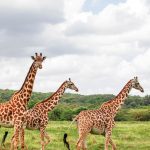
Reticulated giraffes often arrive alone or in small groups and spread their legs awkwardly to drink, which makes a compelling low-angle image. Grevy’s zebras can appear in bands, and smaller antelope may slip in between more confident visitors.
Birdlife is another draw, with water birds, doves, and dry-country species using the banks through the morning. For a broader species list and vehicle route advice, our Samburu safari guide covers the wider ecosystem.
When should you plan a Samburu hide session?
June to October is generally the strongest period because dry conditions reduce available water and increase visits to dependable waterholes. January and February can also produce good sessions during a shorter dry window. The trade-off is hotter weather, harsher midday light, and dust, so early and late sessions remain preferable.
The slowest hide days usually come just after heavy rain, when temporary pools give animals no reason to visit a lodge waterhole.
Plan your sessions around dawn and late afternoon. Midday light is often too harsh, and animals are less active then, so working early and late gives you better behavior and softer tones.
What camera equipment and settings should you pack?
Take a telephoto lens, spare batteries, memory cards, dust protection, and a beanbag or support compatible with the hide. Begin around 1/1000 second for fast elephant movement and dust, then use approximately 1/160 to 1/250 second for slower subjects when light is limited. Continuous autofocus, animal-eye detection, and short bursts help capture behavior.
A few practical notes:
- A flexible telephoto zoom gives you framing options in a small hide.
- A beanbag is easier to manage than a tripod. Many hides have ledges built for support.
- Dust covers matter. Northern Kenya is dry, and fine dust can reach your sensor.
- Spare batteries and memory cards are essential, since long waits can drain both.
Set your shutter speed before the animal arrives, then adjust as light and movement change.
How do you book hide sessions and stay safe?
Book hide sessions in advance, and confirm session times, night access, lighting rules, and whether the cost is included in the camp rate. Stay quiet, keep equipment inside the viewing aperture, and follow staff instructions, since wildlife may approach very closely. Ask how the hide manages disturbance, sanitation, and visitor rotation before committing.
Do not assume every lodge includes a hide in its nightly rate. Some do. Others charge a separate guide fee or require a private session, so ask for specifics before you pay.
Night sessions need special handling. Camps rarely allow white light, since it disturbs animals, so ask what lighting is used and whether photography is permitted after dark.
Inside the hide, keep your hands and lens behind the opening when an animal approaches, and do not stand up. If an elephant is close, silence matters. The hide protects you, but only if you stay inside it.
Should you choose a hide or a game drive?
A hide is best for stable, low-angle portraits and predictable waterhole behavior, while a game drive covers more ground and finds animals away from camp. The two experiences complement each other. Use the hide for patient observation and intimate images, then use a private vehicle and guide for landscapes, movement, rare sightings, and changing light.
Think of the hide as a studio and the game drive as a search.
If you have only two days in Samburu, do not spend both inside a hide. You need a game drive to find leopards in riverine forest or lions on open plains. Many photographers combine a dawn drive with a late morning hide session.
Hides are less useful if your main interest is big cats, since predators rarely pose beside a predictable waterhole. For that work, a good guide matters. Before you book a vehicle arrangement, review what to check in a qualified safari guide, and the benefits of a private safari guide, which apply to Samburu just as they do in Tsavo.
What do travelers ask about Samburu photography hides?
Where are the best photography hides in Samburu?
The best-known options are Saruni Samburu in Kalama Conservancy, Sarara in Namunyak Conservancy, and the dedicated hide near Larsen’s Camp. Saruni suits photographers who want a larger waterhole hide with day and night access. Sarara offers a smaller setting with mountain scenery and cultural context.
Does Saruni Samburu have a photography hide?
Yes. Saruni Samburu has an elephant-proof, ground-level hide built beside its waterhole in Kalama Conservancy. It provides beanbags and reference material, hosts a small group of photographers at a time, and is available for daytime and after-sunset photography.
Can you photograph elephants from a hide in Samburu?
Yes. Elephants are among the principal subjects at Samburu’s waterhole hides. Sightings are never guaranteed, but dry-season water concentration can increase visits. The low viewpoint creates intimate images of drinking, dust throwing, trunk movement, and family interactions.
What is the best time of year for photography hides in Samburu?
June through October is usually the most productive period, since water becomes scarce and wildlife gathers at reliable sources. January and February can also work well. Dry-season conditions bring stronger animal activity but also hotter temperatures, dust, and more demanding light.
What camera equipment should I take for a Samburu photography hide?
Pack a telephoto lens, spare batteries, extra memory cards, dust protection, and a stable beanbag or support. Use fast shutter speeds for elephants and dust, continuous autofocus for movement, and animal-eye detection when available. A second body or a versatile shorter lens is useful for close subjects and wider environmental images.
Which safari operators can help you book a Samburu hide?
To compare operators that run hide-focused itineraries, and to browse packages that include nights in Kalama or Namunyak, start with FindMySafari, Valley Safaris, or Trunktrails Safaris. They can match your dates, skill level, and photography goals to the right camp.
As you narrow your choices, ask each operator about night access and recent waterhole activity for your travel month. You can also start directly with TouringInsights at touringinsights.com to plan a hide-focused Samburu itinerary.
Where can you find more safari planning resources?
- Samburu map and Special Five from SafariPure
- Samburu National Reserve guide from Trunktrails Safaris
- Map of Samburu from Valley Safaris
- Samburu destination guide on FindMySafari